Get Tree Curbing Installation
Tree curbing installation services help property owners prevent root damage, control tree growth, and improve landscape safety by working with experienced local contractors.
If property owners are considering curb appeal improvements or need to address safety and maintenance concerns, professional tree curbing installation can be an effective solution. Properly installed tree curbing helps define landscape borders, prevents soil erosion, and provides a polished look to outdoor spaces. Whether planning a new landscaping project or enhancing existing features, exploring local contractors who specialize in this work can ensure the job is done with attention to detail and quality.
Comparing options among nearby service providers allows property owners to find experienced local contractors who understand the specific needs of the area. This process supports informed decision-making when it comes to selecting a reliable team for tree curbing installation. Continuing to explore available local services can help identify the best fit for individual property projects and ensure a successful outcome.
- Tree Curbing Installation - homeowners seeking to define property boundaries with decorative or functional tree borders.
- Tree Curbing Repair - property owners needing to restore or replace damaged or aged tree edging.
- Tree Curbing Removal - clients looking to remove outdated or unwanted tree borders to update landscape design.
- Tree Curbing Design - those interested in custom or aesthetic tree edging solutions to enhance curb appeal.
- Tree Curbing Maintenance - property managers or homeowners requiring upkeep to keep tree borders neat and functional.
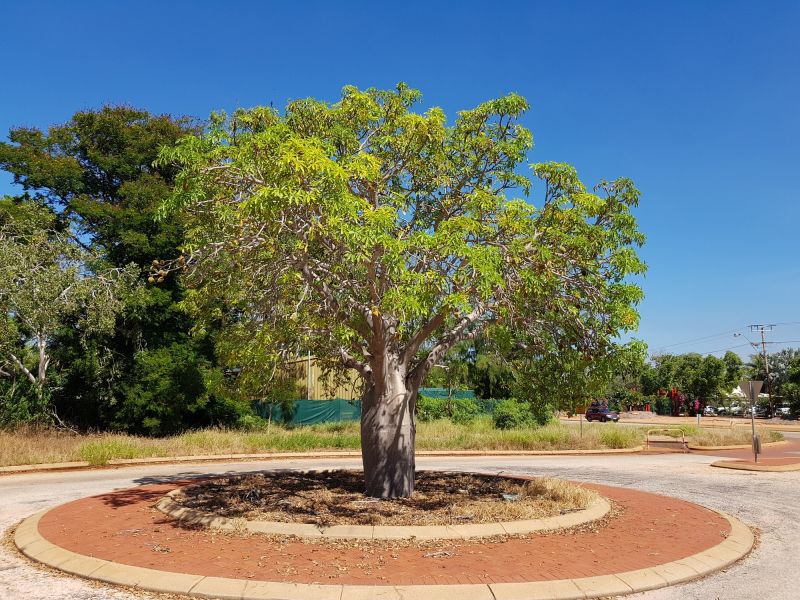
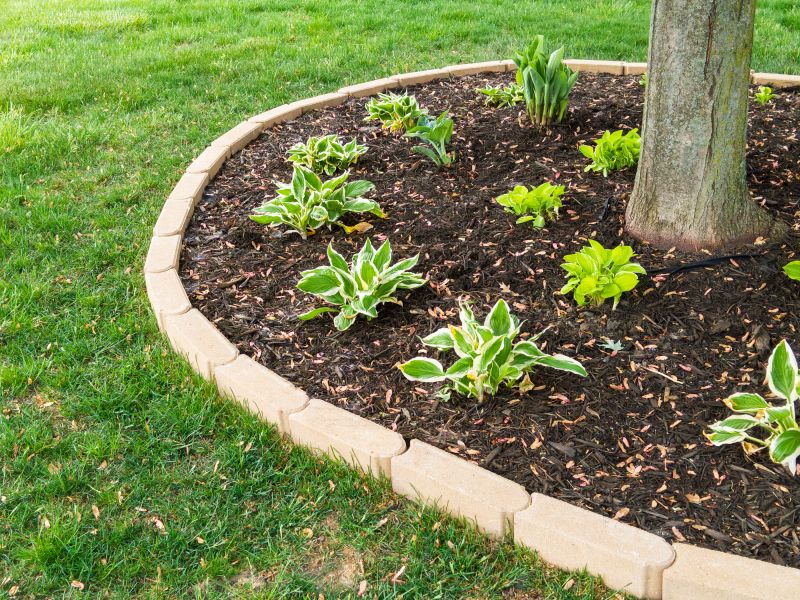
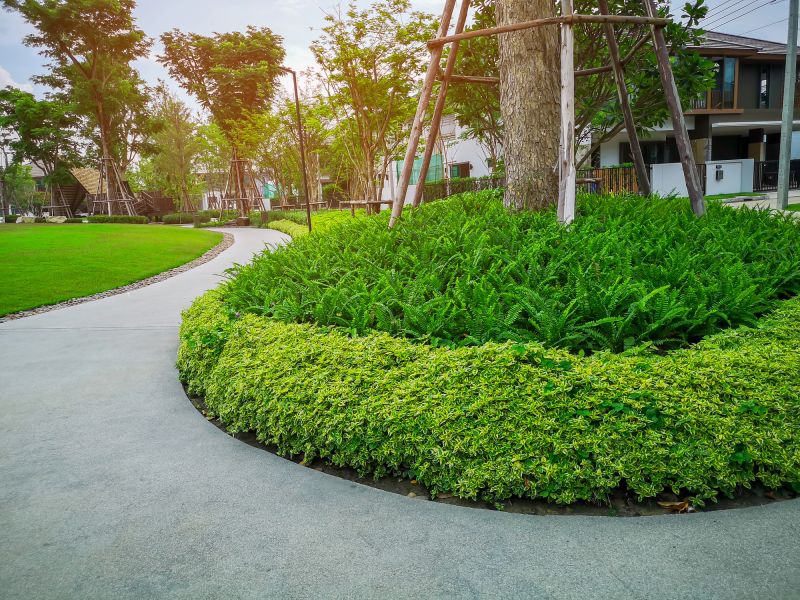
Tree curbing installation involves placing a protective barrier or border around the base of a tree to help maintain its health and appearance. This service typically includes installing a sturdy curb or edging material that surrounds the trunk, creating a clear boundary between the tree and adjacent surfaces such as lawns, sidewalks, or driveways. Proper installation can prevent damage from lawn equipment, foot traffic, or vehicles, and can also help define landscaped areas for a neat, organized look. Local contractors specializing in tree curbing can ensure the barrier is installed correctly to support the tree’s growth while providing a clean, finished appearance.
This service helps address common problems related to tree and landscape health. Without a proper barrier, tree trunks can be damaged by lawnmowers, trimmers, or foot traffic, which can lead to wounds, disease, or even death of the tree. Additionally, curb installation can prevent soil compaction around the root zone, which can hinder water absorption and root growth. In areas with high foot or vehicle traffic, tree curbing can also serve as a visual cue to protect the tree from accidental harm, helping to maintain the overall landscape integrity and longevity of the trees.
Tree curbing installation is often used on residential properties, commercial landscapes, parks, and other managed outdoor spaces. Homeowners with mature trees or newly planted specimens may seek this service to protect their investment and keep their yard looking tidy. Commercial properties, such as shopping centers or office complexes, frequently use curbing to delineate landscaped areas and prevent damage from vehicles or equipment. Parks and public spaces also benefit from tree curbing to ensure the safety of visitors and the health of the trees, especially in areas with high foot traffic or where landscaping aesthetics are a priority.
Homeowners typically consider tree curbing installation when they notice signs of damage around their trees or want to improve the appearance of their yard. This service is useful if the tree trunks are exposed to lawn equipment or if the landscape design calls for a defined border. It can also be a proactive measure to protect young or newly planted trees from accidental injury. By working with local contractors experienced in tree curbing, property owners can find solutions tailored to their specific landscape needs, ensuring their trees remain healthy and their outdoor spaces look well-maintained.
The overview below groups typical Tree Curbing Installation projects into broad ranges so you can see how smaller, mid-sized, and larger jobs often compare in your area.
In many markets, a large share of routine jobs stays in the lower and middle ranges, while only a smaller percentage of projects moves into the highest bands when the work is more complex or site conditions are harder than average.
Smaller Repairs - Most minor tree curbings, such as trimming or small adjustments, typically cost between $250 and $600. Many routine jobs fall within this range, making it a common price point for straightforward projects.
Standard Installations - Installing new tree curbings or replacing existing ones usually ranges from $600 to $1,500. The majority of projects in this category are moderate in scope and complexity.
Larger or Complex Projects - Larger, more complex curbings, including custom designs or extensive work, can range from $1,500 to $3,500. Fewer projects reach this tier, but they are necessary for high-end or detailed installations.
Full Replacement or Major Work - Complete removal and replacement of curbings or extensive landscaping work can exceed $5,000. These higher-end projects are less common and involve significant scope and materials.
Actual totals will depend on details like access to the work area, the scope of the project, and the materials selected, so use these as general starting points rather than exact figures.
Landscape Edging Installation - professionals who install landscape borders use similar planning and tools as those for tree curbings to create defined outdoor spaces.
Garden Bed Construction - constructing garden beds involves soil preparation, edging, and planning skills akin to tree curb installation projects.
Sidewalk and Pathway Installation - laying out and constructing walkways requires precision and planning comparable to establishing tree curbing boundaries.
Retaining Wall Building - building retaining walls involves structural planning and the use of similar tools as those used in curb installation around trees.
Driveway Edging Services - driveway edging projects involve border installation techniques similar to tree curb installation to define property boundaries.
Hardscape Design and Installation - designing and installing patios or outdoor features often share planning and material handling skills with tree curb projects.
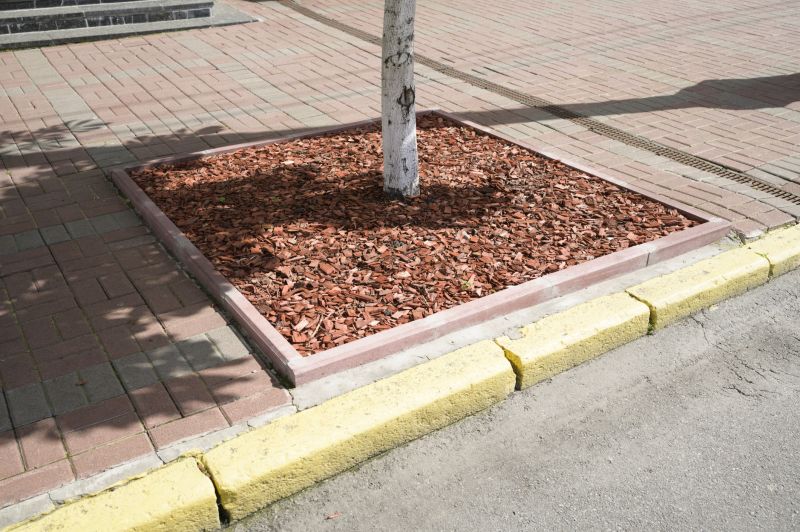
When evaluating potential service providers for tree curbing installation, it’s important to consider their experience with similar projects. Homeowners should inquire about the types of properties and landscapes the contractors have worked on and whether they have handled projects comparable in scope and complexity. An experienced local contractor is more likely to understand the nuances of different soil conditions, tree types, and aesthetic preferences, which can contribute to a more successful and durable installation.
Clear, written expectations are essential to ensure everyone is aligned on the scope of work, materials, and project outcomes. Homeowners should seek detailed proposals or estimates that outline the specific tasks, materials to be used, and any additional services included. Having this information in writing helps prevent misunderstandings and provides a reference point throughout the project, fostering transparency and accountability between the homeowner and the service provider.
Reputable references and strong communication skills are also key factors in choosing a local contractor. Homeowners can ask for references from past clients to gain insight into the contractor’s reliability, quality of work, and professionalism. Additionally, responsive and clear communication from the service provider can make the process smoother, as it facilitates quick clarification of questions, updates on progress, and addressing any concerns that may arise. It’s important to remember that this site introduces homeowners to local options and does not perform the work itself, so taking the time to thoroughly compare and connect with reputable local pros can lead to a more satisfying project outcome.
Property owners use Tree Curbing Installation services for practical projects around their homes and businesses. This guide focuses on everyday jobs and straightforward project options.
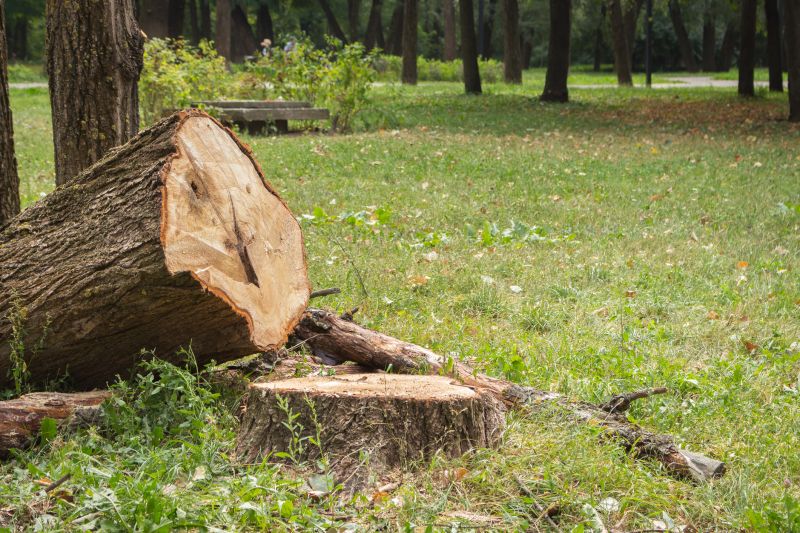
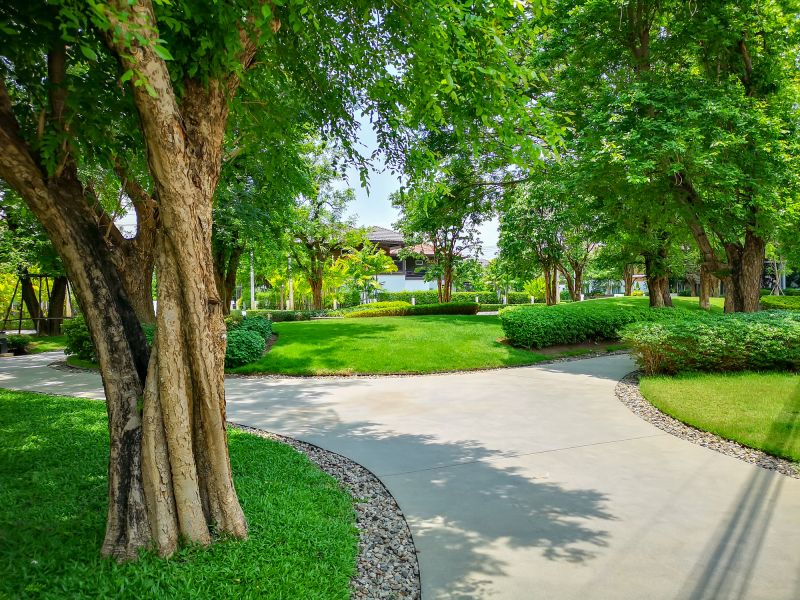
Tree curbing installation is a common project for property owners looking to improve the appearance and safety of their landscapes. Whether planting new trees, managing existing ones, or preparing a yard for seasonal changes, local contractors can provide the necessary curb edging to define garden beds, prevent soil erosion, and create a polished look. These services are often sought after when homeowners want to enhance curb appeal or ensure that their trees are properly supported and contained.
Property owners may also look for tree curbing installation when dealing with overgrown or uneven tree roots that pose tripping hazards or interfere with mowing and landscaping. Additionally, those planning to add new features like walkways or patios might require curb edging to create clean lines and separate different areas of their yard. Local service providers can handle these projects efficiently, helping to maintain a tidy, safe, and attractive outdoor space.
What are the benefits of curb planting around trees? Curb planting can help define landscape boundaries, prevent soil erosion, and enhance the overall appearance of a property by providing a neat, finished look around trees.
How do local contractors install tree curbing? Contractors typically prepare the area, create a stable foundation, and then install the curb edging using durable materials to ensure longevity and proper support for the tree.
What materials are commonly used for tree curbing? Common materials include concrete, stone, brick, or rubber, chosen based on durability, aesthetic preferences, and compatibility with the landscape.
Can curb installation be customized to fit different landscape styles? Yes, local service providers can customize curb shapes, materials, and finishes to match various landscape designs and personal preferences.
What maintenance is needed for tree curbing? Maintenance generally involves occasional cleaning and inspecting for damage or wear, with repairs or replacements handled by local contractors as needed.
Tree Curbing for Property Boundaries - Installing curbing around trees helps define property lines and prevents accidental damage during lawn work or construction projects.
Tree Curbing for Aesthetic Landscaping - Using curbing to create clean edges around trees enhances the visual appeal of gardens and yard layouts.
Tree Curbing for Root Management - Proper curbing can help control root spread, reducing the risk of damage to sidewalks, driveways, or underground utilities.
Tree Curbing for Erosion Control - Installing curbing can stabilize soil around trees, preventing erosion and maintaining landscape integrity.
If you are thinking about Tree Curbing Installation for a property, this guide is meant to help you understand the work, the typical project types, and how different options might fit your plans.
When you are ready, you can use the quote form on this page to share a few details about your project. From there, local pros can review the basics and respond with options that match what you have in mind.