Optimal Timing for Wood Chip Mulching
Determining the optimal time for wood chip mulchings depends on various factors including climate, plant growth cycles, and soil conditions. Proper timing ensures maximum benefits such as weed suppression, moisture retention, and soil temperature regulation.
Applying wood chip mulch in spring helps retain soil moisture and suppress weeds early in the growing season.
Mulching during summer maintains soil temperature and reduces evaporation, supporting plant health in hot weather.
Fall is ideal for applying mulch to prepare soil for winter, protecting roots from cold temperatures.
In colder climates, mulch can be applied late in fall or early winter to insulate soil, but should be done carefully to avoid excess moisture retention.
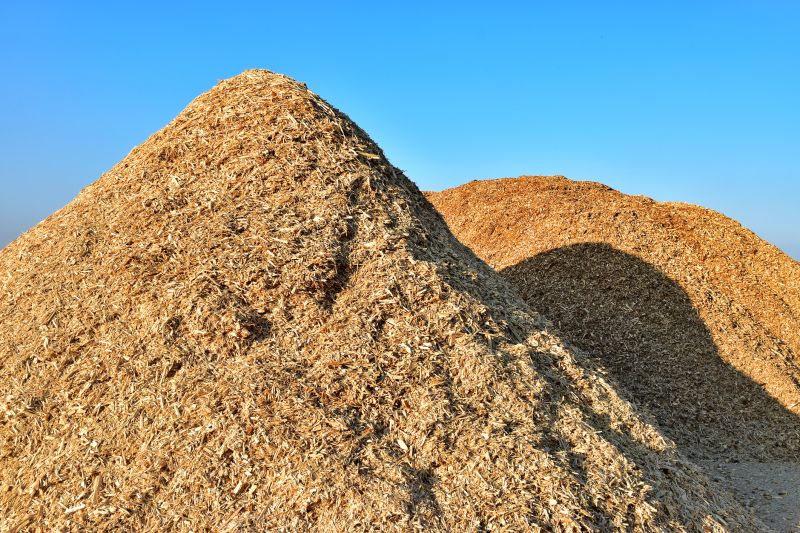
Wood Chip Mulchings applied in spring
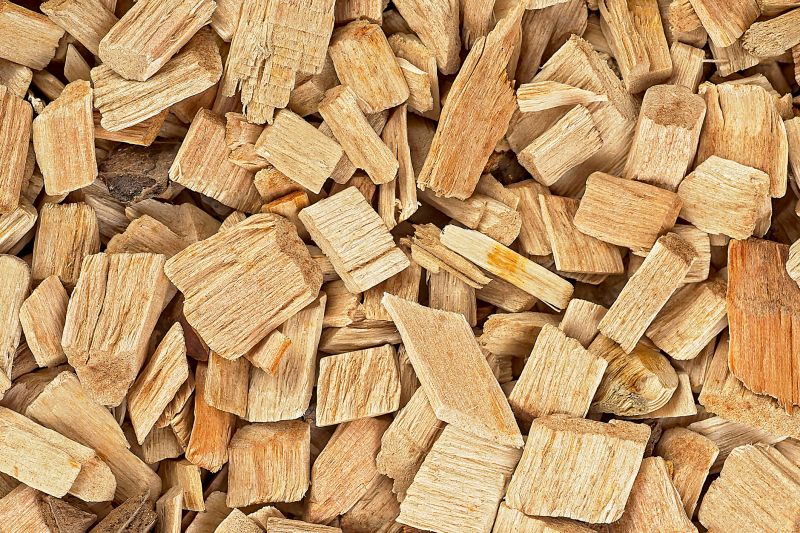
Wood Chip Mulchings during summer
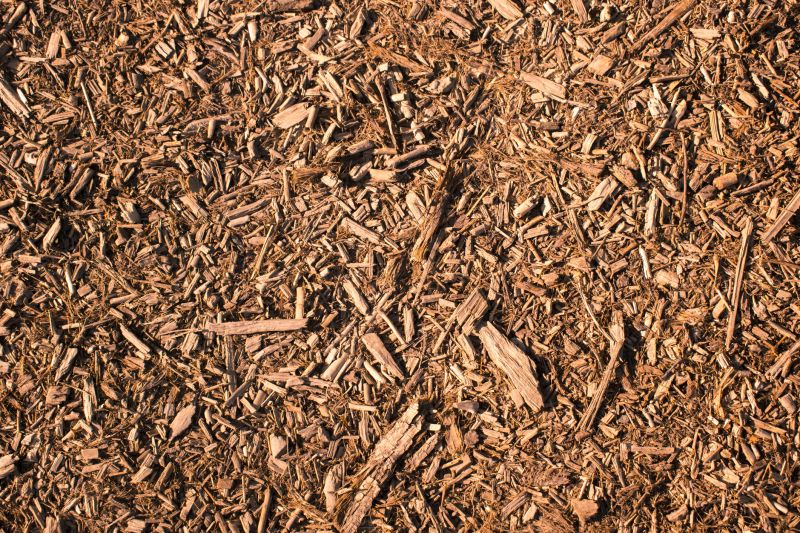
Applying wood chips in fall
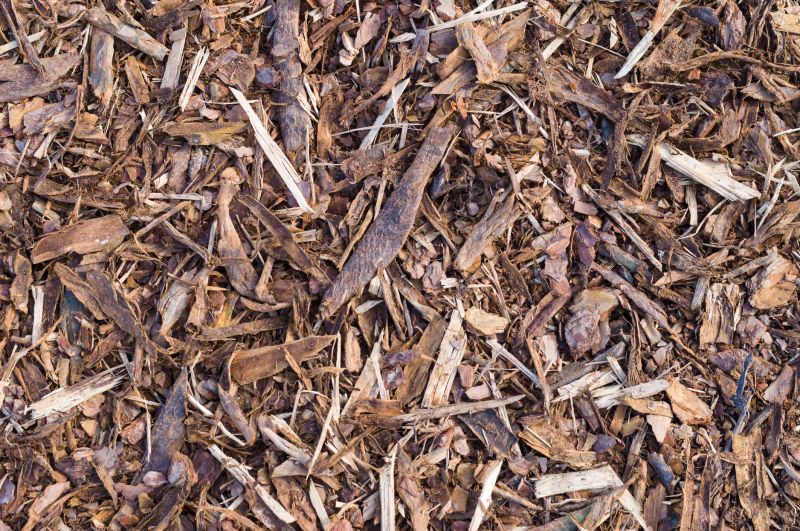
Simple add-ons that improve Wood Chip Mulchings without blowing the budget.
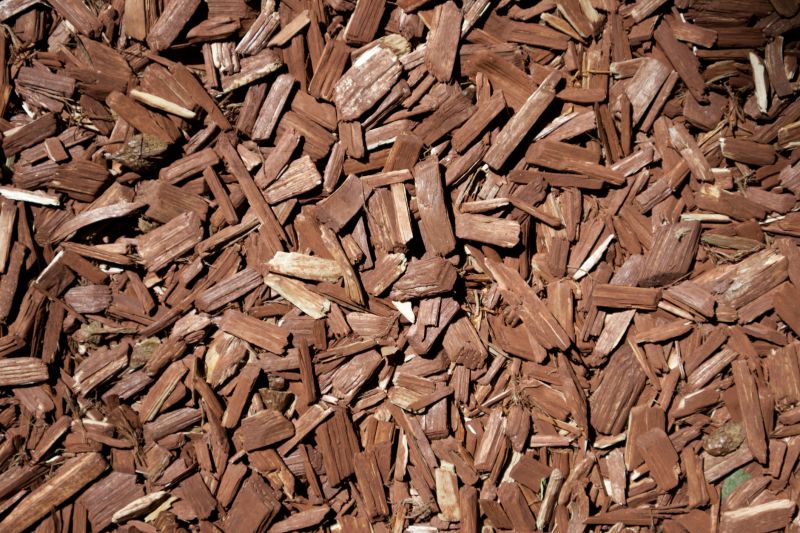
High-end options that actually feel worth it for Wood Chip Mulchings.
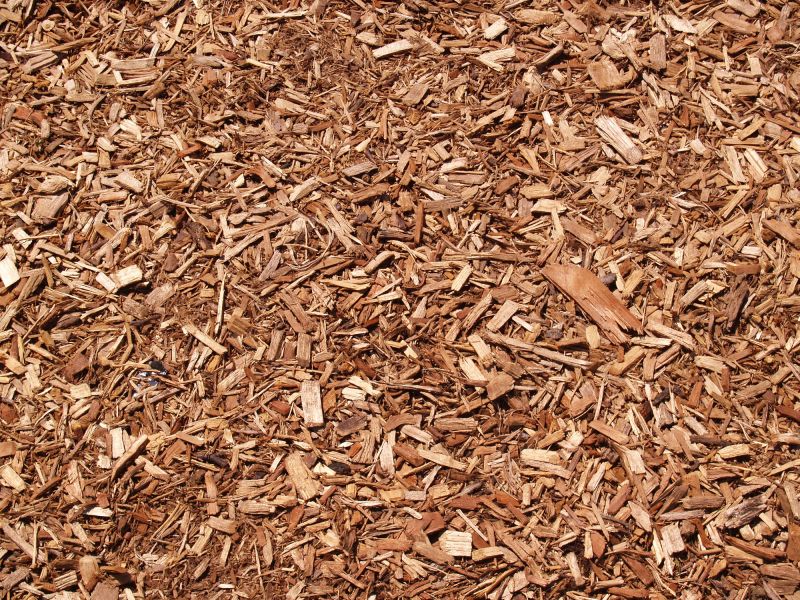
Finishes and colors that play nicely with Wood Chip Mulchings.
| Season | Recommended Timing |
|---|---|
| Spring | Early spring before planting or as plants begin to grow |
| Summer | Mid to late summer for moisture retention |
| Fall | Late fall before the ground freezes |
| Winter | Late fall or early winter in milder climates |
| Post-Planting | Immediately after planting for weed control |
Wood chip mulching is a landscaping practice that involves spreading wood chips over soil surfaces. It is widely used for weed suppression, moisture conservation, and temperature regulation. Wood chips decompose slowly, providing long-lasting coverage that enhances soil health over time. They also help prevent soil erosion and can improve aesthetic appeal in garden beds and landscapes.
Statistics indicate that properly applied wood chip mulchings can reduce water evaporation from soil by up to 50 percent and suppress weed growth by over 90 percent. The decomposition of wood chips adds organic matter to the soil, improving its structure and fertility. Regular maintenance and appropriate timing maximize these benefits, ensuring healthier plant growth and more efficient landscape management.
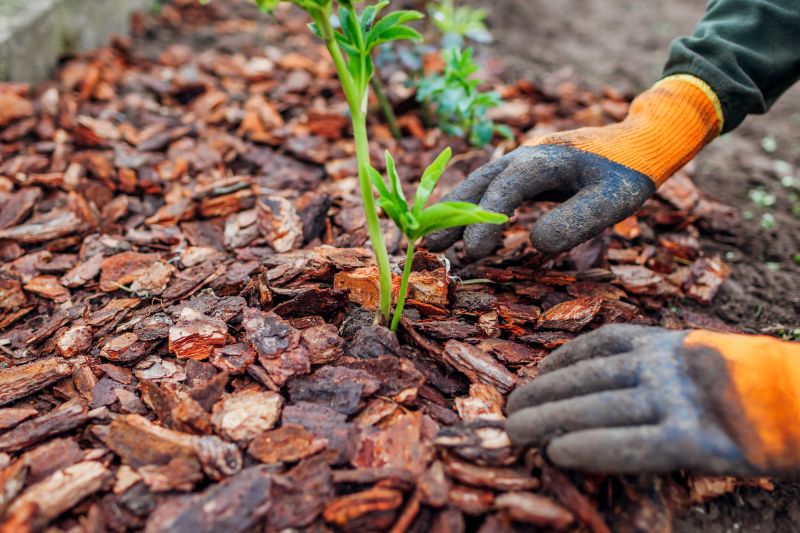
Wood chips spread around trees and shrubs
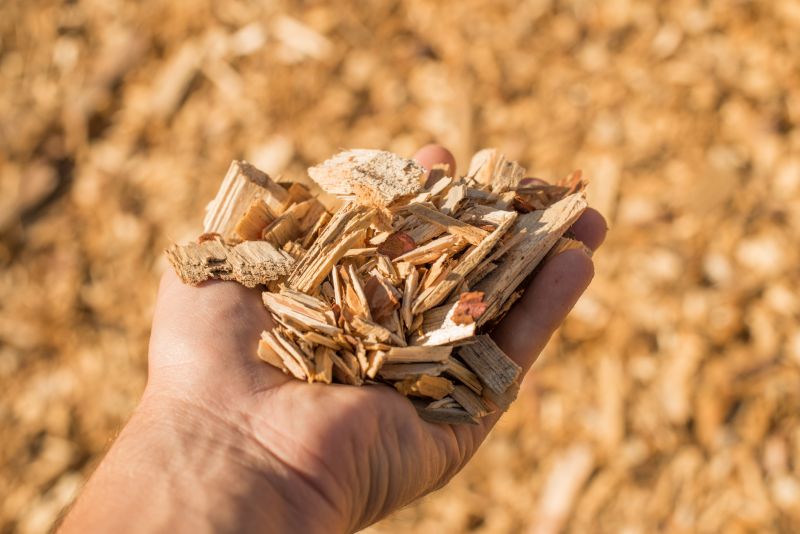
Multiple layers of wood chips for durability
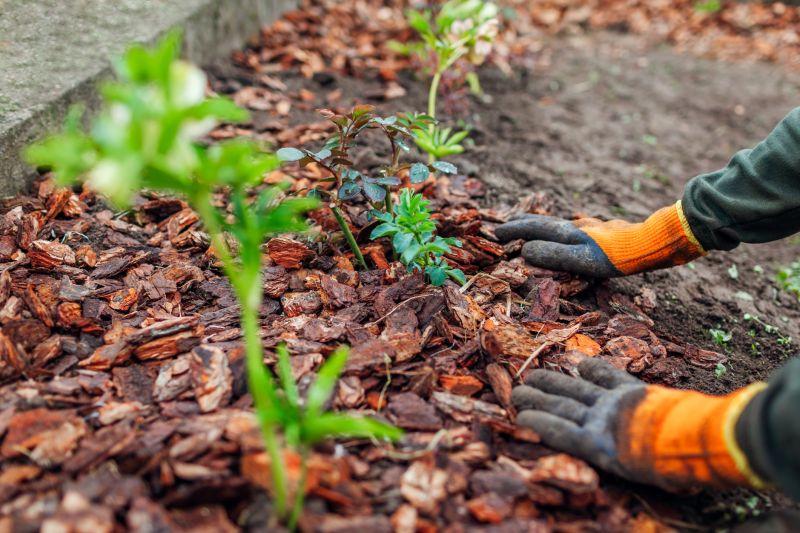
Mulch applied in garden beds
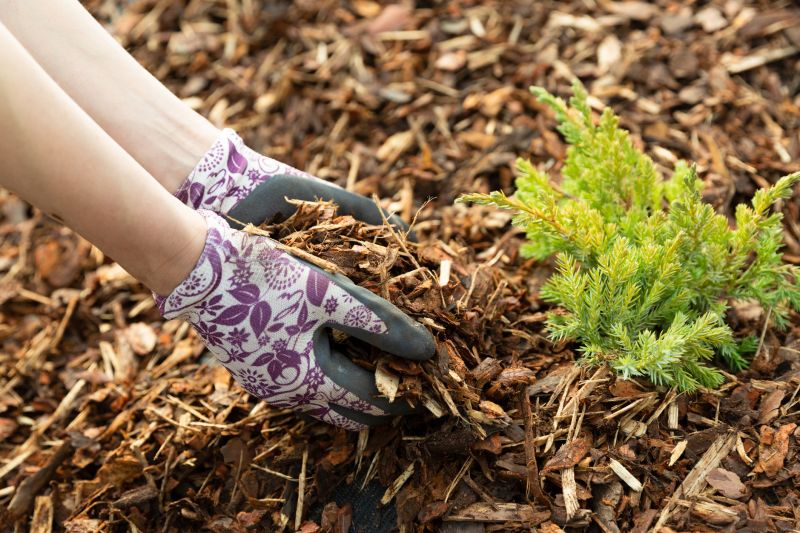
Wood chip mulch insulating soil in winter
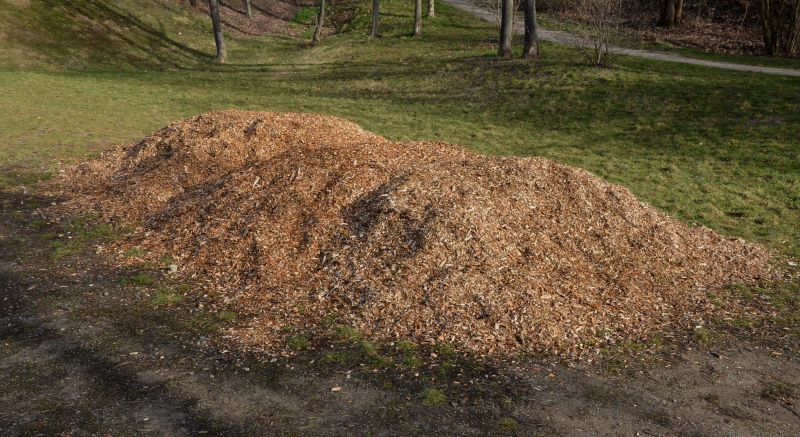
Little measurements that prevent headaches on Wood Chip Mulchings day.
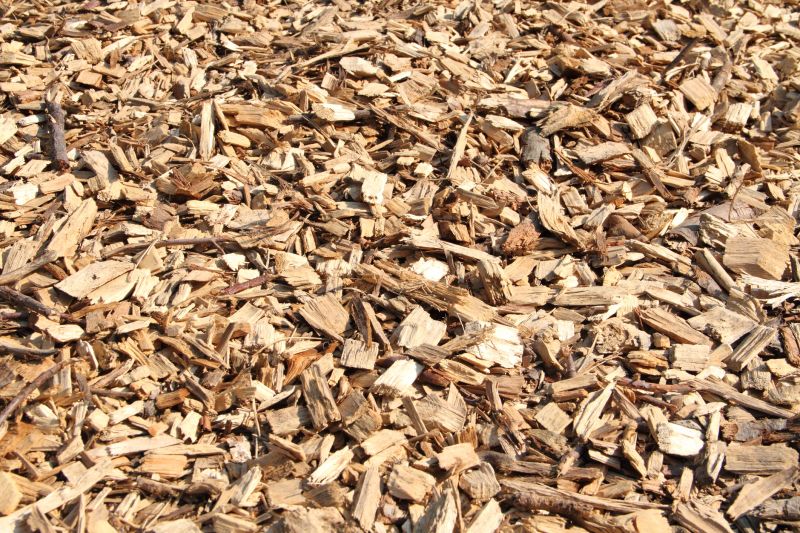
A 60-second routine that keeps Wood Chip Mulchings looking new.
A frequent mistake in Wood Chip Mulchings and how to dodge it.
Small tweaks to make Wood Chip Mulchings safer and easier to use.
Interested in implementing wood chip mulching for landscape enhancement or soil health improvement? Filling out the contact form can provide additional guidance and support tailored to specific needs and conditions.